Hands Off: A Simple Yet Effective Way to Communicate Boundaries
Hands off is a phrase that conveys a clear message of personal space and boundaries. In the form of an SVG design, it can be used creatively in various contexts, from baby bumps to personal items that require protection from unwanted contact. This article explores what hands off means, why someone might be interested in using such a design, and how it fits into different scenarios.
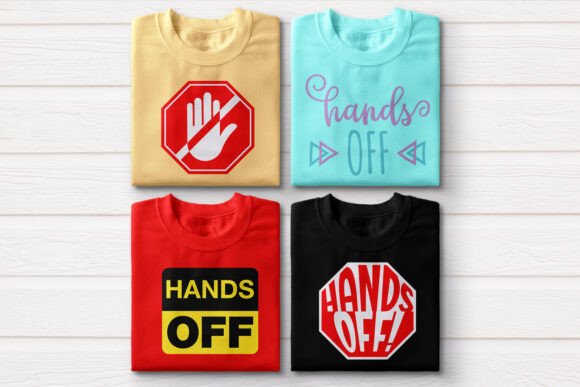
The hands off SVG design features the words "hands OFF" in a handwritten style with decorative double arrows on either side. These arrows can be customized in one or two colors, making the design versatile for different applications. The file comes in multiple formats, including SVG, PNG, and DXF, each serving specific purposes depending on the user's needs.
Understanding the Hands Off Design
The hands off design is more than just visual; it serves as a communication tool. It allows individuals to express their desire for physical boundaries without the need for words. This makes it particularly useful in situations where non-verbal cues are essential, such as during pregnancy or when handling delicate objects.
The design’s flexibility is one of its key strengths. The SVG format supports editing in software like Cricut Design Space, Silhouette, Brother, and other cutting machines. This means users can tailor the colors, size, and placement of the design to suit their specific project requirements. Additionally, the DXF format ensures compatibility with a wide range of industrial and design software, offering broader application possibilities.
Why Someone Might Be Interested in Hands Off Designs
There are several reasons why someone might consider using a hands off design. For expectant mothers, it can serve as a gentle reminder to others to avoid touching the belly, promoting comfort and safety. Similarly, it can be applied to personal items, such as electronics or artwork, to deter unauthorized handling.
Another reason for interest lies in the design’s aesthetic appeal. The handwritten style and decorative elements make it visually engaging, suitable for use in crafts, signage, or even home decor. Its versatility in color options adds to its attractiveness, allowing users to match it with their existing color schemes or themes.
Benefits, Tradeoffs, and Considerations
The primary benefit of the hands off design is its ability to communicate clearly and effectively without the need for additional explanation. It provides a simple yet powerful way to set boundaries, which can be especially helpful in public or shared spaces.
However, there are tradeoffs to consider. While the SVG format is editable, it requires some level of technical skill to modify the design properly. Users unfamiliar with graphic design software may find this challenging. Additionally, the PNG format, while useful for reference and print, cannot be altered in terms of color, limiting its customization potential.
Another consideration is the context in which the design will be used. For instance, if the goal is to create a permanent sign, the DXF format may be more appropriate due to its compatibility with industrial printing and cutting equipment. Conversely, for personal use or small-scale projects, the SVG format may suffice.
Situations Where Hands Off Is a Strong Fit
The hands off design is particularly well-suited for situations where clear, non-verbal communication is necessary. Expectant mothers often use it to signal to others not to touch their bellies, ensuring both comfort and safety. It can also be used in healthcare settings to indicate areas that should remain untouched, such as medical equipment or patient zones.
In creative or craft-based environments, the design can be used to mark personal workspaces or items that should not be handled by others. Its decorative nature makes it appealing for use in DIY projects, adding both functionality and visual interest.
When Alternatives May Be Worth Considering
While the hands off design is effective in many situations, there are instances where alternative methods of communication may be more appropriate. For example, in professional or formal settings, a verbal warning or written notice may be more suitable than a visual symbol.
Additionally, if the goal is to convey a more complex message, a single-word phrase like hands off may not be sufficient. In such cases, combining the design with additional text or symbols could enhance clarity and effectiveness.
For users who lack the technical skills required to edit SVG files, pre-designed templates or ready-to-print images may be a better option. These alternatives eliminate the need for customization, providing a straightforward solution for those who prefer simplicity over personalization.
Practical Decision-Making Insights
When deciding whether to use a hands off design, it’s important to consider the specific needs of the situation. Ask yourself: What is the primary goal? Who will be seeing or interacting with the design? What tools and resources do I have available?
If the answer indicates a need for clear, non-verbal communication in a casual or creative setting, the hands off design is likely a good fit. However, if the context requires more detailed instructions or formal communication, alternative methods may be more appropriate.
It’s also worth evaluating the technical requirements. If you plan to use the design with a cutting machine or for industrial printing, ensure that the chosen file format (SVG or DXF) is compatible with your equipment. For personal use or simple printouts, the PNG format may be sufficient.
Ultimately, the decision to use a hands off design depends on the individual’s goals, preferences, and available resources. By carefully considering these factors, users can determine whether this design aligns with their needs and expectations.