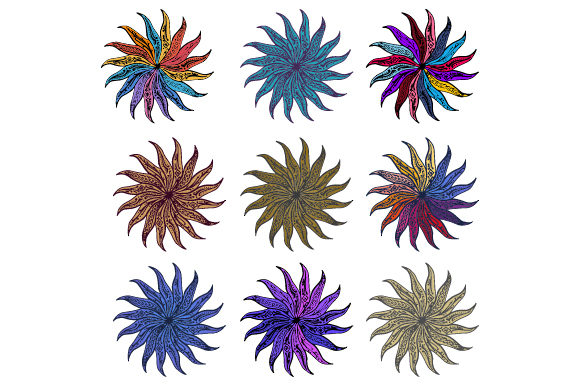
Monochrome Mandala Decorative Elements
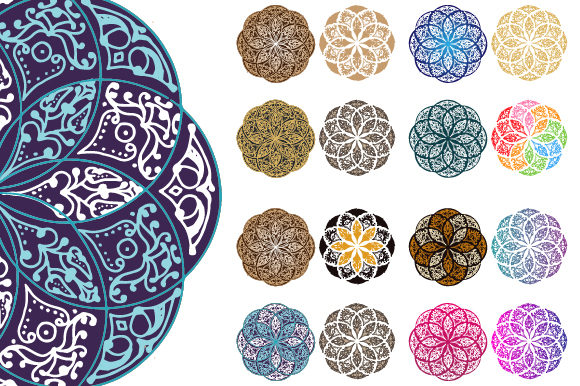
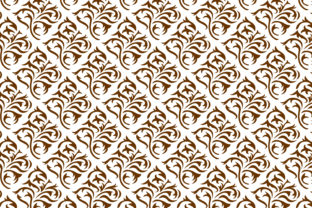
The intricate beauty of Mandala Ethnic Decorative Hand-drawn lies in its ability to blend cultural heritage with artistic expression. This unique style merges traditional motifs from Islamic, Arabic, Indian, Ottoman, and Oriental art forms into a cohesive visual language. Rooted in centuries-old symbolism, these designs are rendered in monochrome contour lines, creating a striking contrast against a white background. The result is a timeless aesthetic that feels both ancient and contemporary.
A Visual Language Across Cultures
Mandala Ethnic Decorative Hand-drawn draws from a rich tapestry of cultural influences. From the geometric precision of Islamic calligraphy to the fluid curves of Indian mandalas, each element tells a story of tradition and spirituality. These hand-drawn illustrations often feature repetitive patterns, floral motifs, and interlocking shapes that symbolize harmony and balance. The use of black ink on white paper enhances the clarity and elegance of these designs, making them ideal for both digital and print applications.
One of the most compelling aspects of this style is its versatility. Whether used as a background texture, a decorative border, or a standalone illustration, these elements add depth and character to any design. They are especially effective in editorial layouts, branding materials, and packaging design where subtle detail can make a significant impact.
Design Applications and Project Fit
This type of artwork is well-suited for a wide range of creative projects. In web design, it can serve as an elegant backdrop for landing pages or as part of a brand’s visual identity. For social media graphics, these illustrations can be scaled and adapted to fit various formats while maintaining their visual integrity.
In packaging design, the intricate details of Mandala Ethnic Decorative Hand-drawn can elevate the perceived value of a product. Similarly, in logo design, these elements can be stylized to reflect a brand’s cultural roots or artistic sensibility. When paired with modern typography, they create a balanced and sophisticated look that appeals to a broad audience.
For brand identity, consistency is key. Using these elements across all touchpoints—from business cards to website headers—can help reinforce a cohesive visual language. The clean, monochrome style ensures that these designs remain legible and professional, even when used in large-scale formats.
Practical Guidance for Choosing and Using the Font
When selecting Mandala Ethnic Decorative Hand-drawn for a project, consider the intended use and audience. These elements are best suited for projects that require a touch of sophistication and cultural depth. They work particularly well in editorial design and creative font applications where visual storytelling is paramount.
Before finalizing your choice, evaluate how well the design aligns with your project’s goals. Test different font pairings to ensure readability and visual harmony. While these illustrations are primarily decorative, they can also serve as functional design assets in certain contexts, such as typeface enhancements or logo design.
It’s important to review the included styles and formats. The availability of Adobe Illustrator AI CC and Encapsulated Postscript EPS files makes these elements highly versatile for both digital and print workflows. Always check the commercial licensing terms to ensure compliance with usage rights, especially for brand identity and commercial font applications.
Readability and Visual Hierarchy
While these illustrations are primarily decorative, they can also influence readability and visual hierarchy when integrated thoughtfully. For instance, using a subtle mandala pattern as a background can guide the viewer’s eye without overwhelming the main content. This is particularly useful in web design and packaging design where information needs to be clear and accessible.
When working with modern typography, consider how the placement and scale of these elements affect overall composition. A well-placed mandala can act as a focal point, drawing attention to key messages or design elements. It’s essential to maintain a balance between decoration and function to ensure that the design remains engaging and user-friendly.
Realistic Examples and Design Observations
In practice, these elements have been successfully used in a variety of real-world applications. For example, a boutique specializing in ethnic textiles might incorporate mandala patterns into their packaging and website backgrounds to reflect their cultural heritage. Similarly, a blogging platform could use these illustrations as part of their editorial layout to enhance the visual appeal of their content.
Another common application is in brand identity for small businesses. A local café, for instance, might use these designs in their logo and signage to create a unique and memorable brand presence. The simplicity of the monochrome style allows for easy adaptation across different mediums, ensuring a consistent brand experience.
When designing for social media graphics, it’s important to keep the complexity of the design in check. Overly intricate patterns can become distracting, so it’s best to use them sparingly and strategically. This approach not only maintains the visual integrity of the design but also ensures that the message remains clear and engaging.
Conclusion: A Timeless Design Asset
Mandala Ethnic Decorative Hand-drawn offers a unique blend of cultural richness and artistic elegance. Its versatility makes it a valuable asset for designers, marketers, and creatives across various industries. Whether used in brand identity, web design, or packaging design, these elements can elevate the visual quality of any project.
By understanding how to integrate these designs effectively, you can create a cohesive and impactful visual language that resonates with your audience. With careful consideration of readability, functionality, and aesthetics, Mandala Ethnic Decorative Hand-drawn can become a powerful tool in your creative toolkit.