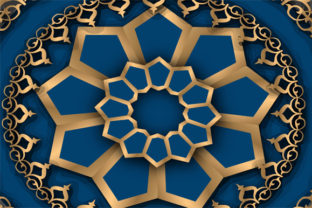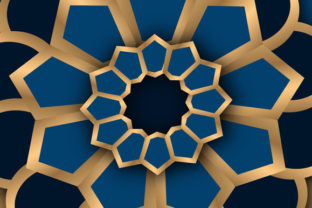
Pattern Arabesque Background: A Versatile Design Element for Modern and Traditional Applications
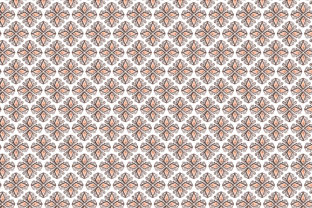
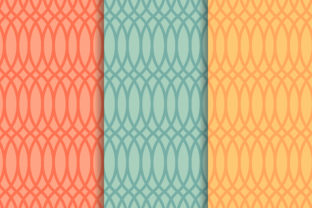
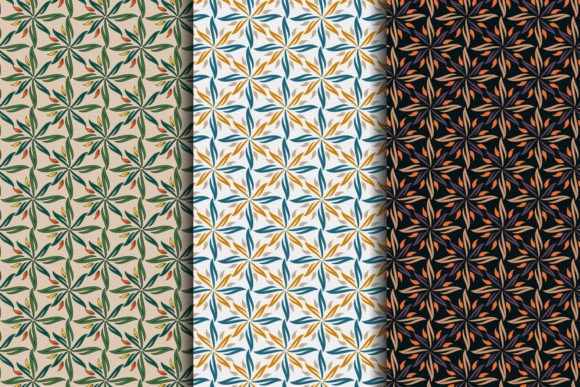
The Pattern Arabesque Background is a visually striking design element that blends intricate geometric shapes, flowing lines, and ornamental motifs. Rooted in Islamic, Arabic, and Turkish art traditions, this pattern has evolved into a popular choice for digital and physical design projects across various industries. Whether used as a wallpaper, textile design, or decorative element in graphic design, the arabesque background offers both aesthetic appeal and functional versatility.
Understanding how to integrate a Pattern Arabesque Background into your workflow can significantly enhance the visual impact of your projects. This article explores its applications, practical implementation, and how it interacts with other design elements and tools.
What Is a Pattern Arabesque Background?
A Pattern Arabesque Background typically features interlacing lines, floral motifs, and geometric patterns arranged in a symmetrical, repeating format. These designs often emphasize symmetry, balance, and intricate detail, making them ideal for use in seamless wallpaper, fabric prints, and tile designs. The term "arabesque" itself comes from the Arabic word "Ibriz," meaning "to flow," which reflects the fluid, organic nature of many arabesque patterns.
While traditionally associated with Islamic and Middle Eastern art, these backgrounds have found their way into modern design contexts such as web design, interior decoration, and graphic illustrations. Their adaptability makes them suitable for both vintage and contemporary aesthetics.
Where Does the Pattern Arabesque Background Fit in Your Workflow?
The Pattern Arabesque Background can be incorporated at various stages of a project, depending on your goals and requirements. Here's how it might fit into different workflows:
- Pre-Design Phase: Use an arabesque background as inspiration or reference material when planning a new design project. It can help set the tone for color schemes, layout structures, and overall visual style.
- During Design: Apply the Pattern Arabesque Background as a base layer in graphic design software like Adobe Illustrator or Photoshop. This can serve as a backdrop for text, icons, or other elements, adding depth and texture without overwhelming the composition.
- Post-Production: After finalizing a design, consider using an arabesque background as a decorative element in print or digital media. For example, it could be used as a seamless tile in a website header or as part of a vintage fabric collection.
By integrating the Pattern Arabesque Background early in the process, you can ensure consistency and coherence throughout your design, especially if you're working with multiple assets or platforms.
How to Use a Pattern Arabesque Background Effectively
Using a Pattern Arabesque Background effectively requires attention to detail, especially when considering factors like contrast, scalability, and compatibility with other design elements. Here are some practical tips:
- Choose the Right Color Palette: While traditional arabesque designs often feature white, gold, or deep blue tones, modern interpretations may use more subdued or vibrant hues. Ensure the background complements the primary content rather than overpowering it.
- Ensure Seamless Repetition: If using the pattern as a seamless wallpaper, make sure it repeats without visible seams. Many vector-based designs are created with this in mind, but always test the pattern in your chosen application before finalizing.
- Balance Complexity and Simplicity: Highly detailed arabesque patterns can be visually rich but may not work well in all contexts. Consider simplifying the design for smaller screens or minimalist layouts.
- Combine with Other Elements: Pair the Pattern Arabesque Background with solid colors, gradients, or other textures to create a layered, dynamic look. This is particularly useful in textile design or wallpaper illustration.
Integration with Other Tools and Resources
The Pattern Arabesque Background can be easily integrated with a variety of tools and resources, including:
- Graphic Design Software: Programs like Adobe Illustrator, CorelDRAW, or Inkscape allow for precise editing and customization of arabesque patterns.
- Web Development Platforms: When designing websites, CSS or SVG formats can be used to apply seamless arabesque backgrounds without affecting page load speed.
- Print and Fabric Production: High-resolution vector files are essential for ensuring quality when printing on textiles, tiles, or decorative paper.
- Interior Design: Many interior designers use arabesque patterns in oriental decor, mosaic tiling, or textile wrapping to add a touch of elegance and cultural richness to a space.
Practical Implementation Examples
Here are a few real-world examples of how the Pattern Arabesque Background can be implemented:
- Website Headers: Use a simplified arabesque pattern as a background texture for website headers or banners. This adds a subtle, elegant touch without distracting from the main content.
- Product Packaging: Incorporate an arabesque pattern into product packaging for a unique, culturally inspired look. This is especially effective for luxury brands or artisanal goods.
- Home Decor: Use arabesque-patterned wallpapers or cushions to add a sense of oriental decor to living spaces. These patterns can also be found in mosaic tiles for bathrooms or kitchens.
- Textile Printing: Create custom fabric prints using arabesque patterns for clothing, upholstery, or curtains. These designs are popular in ethnic fashion and asian-inspired home décor.
Considerations for Long-Term Use
When planning for long-term use of the Pattern Arabesque Background, it's important to consider factors like durability, scalability, and adaptability:
- Durability: If using the pattern in print or fabric form, choose high-quality materials that can withstand repeated use or exposure to elements like moisture or sunlight.
- Scalability: Vector-based arabesque patterns are ideal for scaling up or down without losing quality, making them suitable for both small and large-format applications.
- Adaptability: Choose versatile designs that can be modified or combined with other patterns, colors, or textures to suit changing trends or project needs.
Whether you're a designer, marketer, educator, or hobbyist, the Pattern Arabesque Background offers a powerful way to infuse elegance, tradition, and visual interest into your work. By understanding how to implement it effectively and thoughtfully, you can enhance your projects while maintaining a cohesive and professional look.