Textural Coral Background: Enhancing Visuals with Natural Patterns
What is a Textural Coral Background?
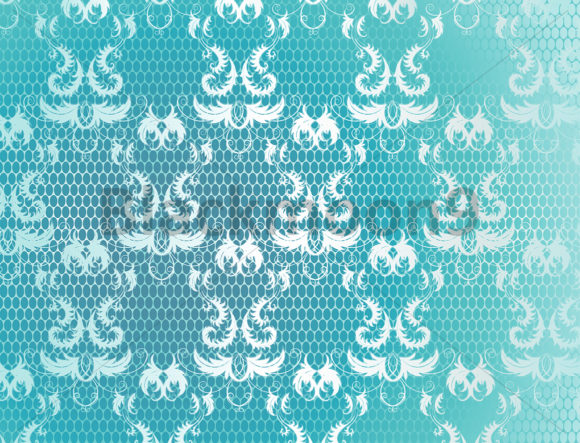
A textural coral background refers to a design element that incorporates the natural, intricate patterns of coral reefs into digital or physical backgrounds. These backgrounds are often used in web design, graphic arts, and interior decoration to add a sense of depth, movement, and organic beauty.
Coral textures can be created through digital imaging techniques or by using photographs of real coral formations. The result is a visually rich background that mimics the natural world, offering a unique aesthetic that stands out from traditional flat designs.
The Purpose and Significance of Textural Coral Backgrounds
The primary purpose of using a textural coral background is to enhance visual appeal and create a more immersive experience for viewers. Whether it's a website, a presentation, or a printed material, these backgrounds can evoke feelings of nature, adventure, and environmental awareness.
Why use coral textures specifically? Coral reefs are among the most diverse ecosystems on Earth. Incorporating their textures into design elements can symbolize biodiversity, sustainability, and the importance of preserving our oceans. This makes them particularly popular in eco-friendly campaigns, marine-related businesses, and educational materials about ocean conservation.
Practical Relevance in Modern Life and Work
- Web Design: Websites related to marine biology, diving, or eco-tourism often use coral backgrounds to align with their themes and attract a specific audience.
- Interior Design: In spaces like aquariums, resorts, or coastal-themed restaurants, coral textures can be used in wall coverings, furniture, or decorative items to create an authentic atmosphere.
- Education: Teachers and educators use coral backgrounds in presentations and learning materials to make lessons about marine life more engaging for students.
- Business Branding: Companies promoting sustainable practices or ocean conservation may incorporate coral textures into their branding to reinforce their message.
How Textural Coral Backgrounds Fit Into Modern Trends
In recent years, there has been a growing interest in biophilic design—a concept that integrates natural elements into built environments to improve well-being and productivity. Textural coral backgrounds align perfectly with this trend by bringing the essence of the ocean into digital and physical spaces.
Moreover, with the rise of eco-conscious consumers, businesses are increasingly looking for ways to communicate their commitment to sustainability. A coral texture can serve as a subtle yet powerful visual cue that a brand is environmentally aware and responsible.
Technological Advances in Creating Textural Coral Backgrounds
Thanks to advancements in digital imaging and 3D modeling, creating realistic coral textures has become more accessible than ever. Software such as Adobe Photoshop, Blender, and Procreate allows designers to manipulate and customize coral textures to fit various projects.
Additionally, AI-powered tools can now generate high-quality coral textures based on user inputs, making it easier for even novice designers to experiment with different styles and color schemes.
Common Misunderstandings About Textural Coral Backgrounds
One common misconception is that coral textures are only suitable for websites or projects related to marine life. While they certainly work well in those contexts, their versatility allows them to be used creatively in many other areas as well. For example, a coral background can add a vibrant, dynamic feel to a fashion blog or a modern art exhibition.
Another misunderstanding is that coral textures are difficult to integrate into a design. In reality, with the right tools and understanding of color theory, coral textures can be layered, adjusted, and blended seamlessly with other design elements to achieve a cohesive look.
Examples of Textural Coral Backgrounds in Action
- Website Header: A travel company specializing in scuba diving might use a coral background in their website header to immediately connect with their target audience and convey the excitement of underwater exploration.
- Mobile App Interface: A marine education app could use coral textures in its interface to make the learning experience more interactive and visually stimulating for children.
- Printed Posters: Environmental organizations often use coral textures in posters and flyers to highlight issues like coral bleaching and ocean pollution.
Creating Your Own Textural Coral Background
If you're interested in experimenting with coral textures, here are some steps to get started:
- Find Inspiration: Look at real coral images online or visit a local aquarium to observe the details and colors of coral structures.
- Use Digital Tools: Use photo editing software to adjust brightness, contrast, and saturation to match your project’s needs.
- Experiment with Layers: Combine multiple coral textures to create a more complex and visually interesting background.
- Test Different Color Schemes: Coral comes in a wide range of colors—from soft pinks and purples to bold oranges and blues. Experiment with different hues to find what works best for your design.
Tips for Using Textural Coral Backgrounds Effectively
To ensure your coral background enhances rather than overwhelms your design, consider the following tips:
- Balance Contrast: Make sure the foreground elements stand out against the background. If the coral texture is too busy, reduce its opacity or use a solid color overlay.
- Consider Scale: Large-scale coral textures can be overwhelming in small spaces. Choose the right scale for your design to maintain visual harmony.
- Stay Consistent: If you're using a coral texture in multiple places within a design, keep the style and color consistent to create a unified look.
Conclusion: Embracing the Beauty of Textural Coral Backgrounds
Textural coral backgrounds offer a unique way to bring the beauty of the natural world into digital and physical spaces. Whether you're a designer, educator, or business owner, incorporating coral textures can help you create more engaging, meaningful, and visually appealing content.
As we continue to explore new ways to connect with nature through design, the use of coral textures will likely grow in popularity. By understanding their purpose, significance, and practical applications, you can harness their potential to enhance your projects and inspire others.
So why not give it a try? Start by exploring coral textures in your next design project and see how they can transform your work into something truly special.